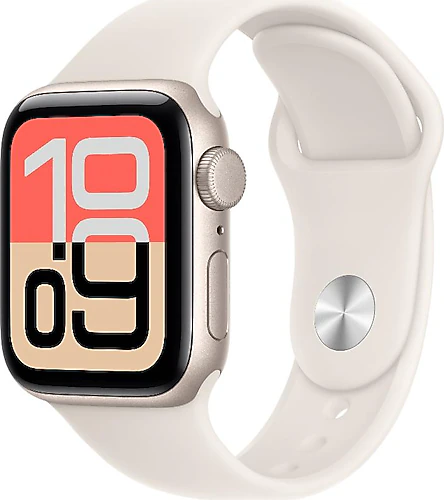
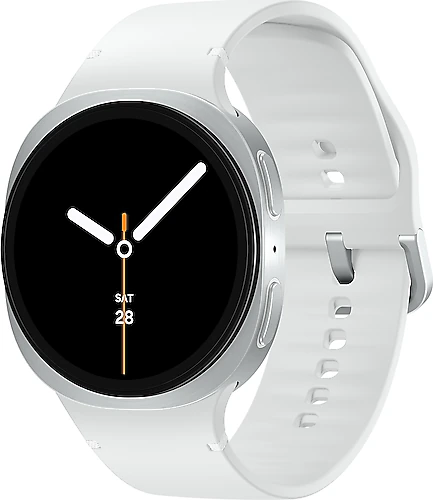
The Apple Watch SE 3 GPS 40mm Aluminum Case with Sport Band and the Samsung Galaxy Watch 8 44mm bring everyday notifications and activity tracking to your wrist, but they work with different phones and don’t offer the same range of health features. So before considering screen or battery features, first check which operating system your phone uses.
Check phone compatibility first
The Apple Watch SE 3 pairs only with an iPhone, so it isn’t suitable for Android users. The Galaxy Watch 8 works with Android phones but isn’t compatible with iPhones. This isn’t a minor difference in features; it directly determines which watch you can choose. Some health functions may be more readily available with Samsung phones, while the features supported by other Android phones can vary.
Both watches support phone calls, but neither should be thought of as a standalone phone. The GPS version of the Apple Watch SE 3 doesn’t offer cellular connectivity, so it needs to be connected to an iPhone for calls and messages. Calls on the Galaxy Watch 8 don’t mean it can fully replace your phone either. If making calls independently while leaving your phone at home is a priority, carefully consider the connectivity features of these two models before buying.
A more compact fit or a larger screen?
Apple’s 40 mm case weighs 26.3 grams, while Samsung’s 44 mm case weighs 34 grams. Apple is the better fit if you want a lighter watch that takes up less space on your wrist. Samsung’s larger case will appeal to those who want more screen area, though its 44 mm size may look more prominent on a smaller wrist. Both models have aluminum cases, but their designs also make appearance and interface preferences part of the decision: Apple has a square display, while Samsung’s is round.
Samsung’s 1.47-inch Super AMOLED display has a resolution of 480 × 480 pixels. Apple’s OLED display has a resolution of 324 × 394 pixels and a pixel density of 326 PPI; Samsung’s pixel density is a similar 327 PPI. Both displays promise clear text and health data. Samsung stands out for its larger, round screen, while Apple offers a smaller, lighter body. Keep in mind that the Apple Watch SE 3 doesn’t have an always-on display.
Samsung offers more comprehensive health tracking
Both watches offer heart rate, sleep, step and calorie tracking, stress measurement, cycle tracking, and breathing exercises. These shared features cover the basics for anyone who wants to monitor daily activity and sleep patterns. But the Galaxy Watch 8 offers a broader range of advanced health measurements: ECG, blood pressure, and SpO2 tracking are available on the Samsung model. The Apple Watch SE 3 doesn’t offer ECG or blood oxygen measurement.
These additional measurements make the Galaxy Watch 8 a compelling option for Android users who place greater emphasis on health tracking. However, phone compatibility and setup requirements can affect features such as ECG and blood pressure measurement; some may require a Samsung phone or the Samsung Health Monitor app. These measurements are best viewed as tools for tracking everyday trends, not as medical diagnoses. Apple’s simpler health package may be enough for anyone who wants basic tracking alongside iPhone notifications.
GPS, storage, and charging habits
Both watches have built-in GPS, so you may not need to carry your phone every time you want to track a walking or running route. Both models offer 5 ATM water resistance, which allows for activities involving water, such as swimming, but doesn’t mean they’re suitable for diving. NFC and contactless payments through supported payment services are available on the Samsung model.
For storage, the Apple Watch SE 3’s 64 GB capacity is twice the Galaxy Watch 8’s 32 GB. Apple gives you more room for apps and offline content. Since the processors and operating systems differ, storage capacity alone shouldn’t be used to draw conclusions about overall performance.
The stated battery life is 18 hours for Apple and 30 hours for Samsung. The Galaxy Watch 8 lasts longer, though intensive GPS, display, and health-tracking use may mean charging it more often. Both models support wireless and fast charging. If you plan to wear your watch overnight for sleep tracking, it’s especially important to factor in your charging routine; Apple’s 18-hour battery life makes this more of a consideration.
Final choice: your ecosystem and priorities matter
If you use an iPhone and want a more compact, lightweight watch, while prioritizing basic health tracking, notifications, and more storage, the Apple Watch SE 3 is a better fit. If you use a Samsung or another Android phone and want a larger screen along with additional measurements such as ECG, blood pressure, and SpO2, the Galaxy Watch 8 is the more comprehensive option. Its longer stated battery life and NFC are also reasons to choose Samsung.
In short, phone compatibility is the first deciding factor, followed by case size and health features. For everyday basics, both watches offer GPS, sleep, and activity tracking. The main question is which better suits your routine: Apple’s lighter design, greater storage, and iPhone compatibility, or Samsung’s Android compatibility and more advanced health measurements.