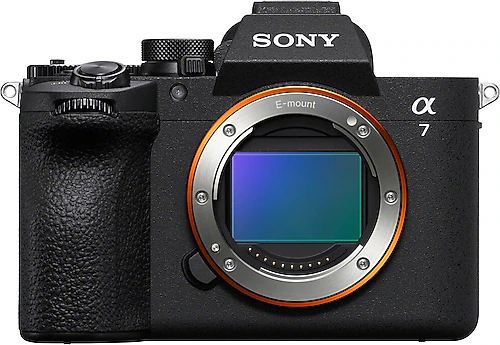
The Sony A7 V Body Mirrorless Camera is a full-frame mirrorless model designed for users who want to handle both photography and video recording with the same body. Its core imaging features include 33 MP resolution, 4K video, and 60 fps support, while the articulating touchscreen, viewfinder, and connectivity options increase flexibility in use. Since the product is offered as a body-only model, it is aimed at photographers who want to build their system according to their own needs.
Who is the Sony A7 V Body suitable for?
The Sony A7 V Body is a camera body worth considering for users who want to build an interchangeable-lens camera system. Since it is offered as a body-only model, the choice of lens is left to the user. This approach allows those interested in different areas such as portraits, landscapes, everyday photography, or video to shape their own equipment set over time. However, the body’s use case is determined together with the lens selected, so when evaluating the product, it is important to consider not only the body’s features but also the system being built.
Its mirrorless design positions the camera as a more flexible shooting tool. The ability to compose through the electronic viewfinder and screen makes it easier to work from different shooting positions. It offers a balanced option for content creators, hobbyist photographers, and users who want to use a single device for both photography and video or move up to a more advanced body.
33 MP full-frame sensor and photography use
One of the Sony A7 V Body’s standout features is its 33 MP full-frame sensor. The full-frame sensor is one of the key components positioning the body within photography-focused systems. The 33 MP resolution provides a broad working area in photos, creating a functional foundation for users who want to work with different parts of an image when editing a composition later or choose between print and digital use.
The everyday benefit of this resolution is not limited to having more pixels. It provides flexibility during processes such as editing after capture, reassessing the composition, and adapting images to different output sizes. Still, the final character of an image is shaped by the lens, lighting, shooting settings, and conditions of use. Therefore, the 33 MP figure alone does not explain the entire imaging experience, but it does show that the body belongs to a strong resolution class for photography.
Articulating and touchscreen 3.2-inch LCD display
The camera features a 3.2-inch LCD display with an articulating design. An articulating screen makes the camera more comfortable to use when it is positioned outside eye level. The ability to move the screen is practical for low-angle shots, framing from above, or video recording with the camera placed on a fixed surface.
Touch control support also offers an advantage for navigating menus and managing certain operations more directly while shooting. Alongside physical buttons, the touchscreen gives users a choice between two different control methods. The LCD panel creates a useful monitoring area, especially for following the composition during video recording and viewing the image while changing the camera’s position.
The 3.2-inch screen provides a working surface suitably sized for checking composition before shooting and reviewing photos afterward. Since the body also includes a viewfinder, there is an alternative framing method for bright environments or situations where using the camera close to the eye is more suitable.
Viewfinder and shooting control
The inclusion of a viewfinder on the Sony A7 V Body allows the camera to adapt to different shooting habits. The viewfinder is a control point for users who prefer to follow the composition at eye level rather than on the screen. Being able to choose between the screen and viewfinder provides useful flexibility for those who want to reduce surrounding distractions while taking photos or hold the camera more steadily.
Offering an articulating screen and viewfinder together means the body is not limited to a single shooting position. Users can prioritize the screen depending on the subject and working environment, or enjoy a more traditional shooting experience through the viewfinder. These two options help the camera adapt more easily to different ways of working.
4K video and 60 fps support
For video, the Sony A7 V Body supports the 4K format and a video frame rate of 60 fps. 4K provides a current recording option for users who want to produce high-resolution video. 60 fps is important for those who prefer a smoother recording approach in scenes involving movement. This feature strengthens the body’s video capabilities across different scenarios, including everyday video, content creation, and recording moving subjects.
The articulating screen becomes even more useful when considered alongside the video features. When the camera is placed in a fixed position or the person filming uses the body from a different angle, it becomes easier to follow the composition. This turns the camera from a device used primarily by looking through the viewfinder into a body that can adapt to a wider range of video setups.
Audio connections and use of external equipment
The body includes an audio input and an audio output. The audio input provides an important connection for users who want to incorporate a suitable external audio solution into their video recording setup. The audio output is practical for those who want to monitor the audio feed or control the audio side during recording. Having both connections on the same body supports the workflow of users who value not only the image but also audio monitoring in video production.
The connectivity options do not end there. The camera includes a Type-C port, HDMI output, built-in Wi-Fi, and Bluetooth support. The Type-C connection provides a modern option for compatible wired connections and for integrating the device into a data or accessory ecosystem. HDMI enables connection for users who want to use the image with compatible external equipment.
Built-in Wi-Fi and Bluetooth help the body work more flexibly in scenarios that require wireless connectivity. These features can simplify the daily workflow for users who want to connect the camera to different devices without being tied to a cable. The range of connections turns the Sony A7 V Body from a body used only during shooting into a hub that adapts to different stages of content creation.
Body dimensions and portability
The Sony A7 V Body is 13 cm wide, 9.7 cm deep, and 7.2 cm high. It weighs 695 gr. These dimensions and weight show that the body can be used as part of a portable system, while also reminding users that the body design of a full-frame mirrorless camera should be considered when planning equipment. Since the total carrying load will change when lenses and other accessories are added, users should plan their own shooting setup accordingly.
The body dimensions provide space for the control points and for using the screen and viewfinder. For people who plan to use the camera on everyday outings, during travel, or for planned shoots, the choice of bag and lens will determine the practicality of the overall system. The fact that the product is sold as a body-only model is also an advantage in this respect, allowing users to create their carrying setup according to their own needs rather than starting with a ready-made kit.
Should you buy the Sony A7 V Body?
The Sony A7 V Body is a strong body option for users who want full-frame imaging, 33 MP resolution, 4K 60 fps video, an articulating touchscreen LCD, a viewfinder, and comprehensive connectivity options in one package. Those who want to handle photography and video with the same device, need external audio connections, or plan to build a lens system around their own shooting habits may get more benefit from the product.
In short, the Sony A7 V Body is a mirrorless body that is not restricted to a single use case and approaches photography and video production together. This 2025 model complements its high-resolution photo foundation with 4K video and modern connectivity. Since it is offered as a body-only model, it is aimed at users who want to shape its potential around their intended use by pairing it with the right lenses and accessories.